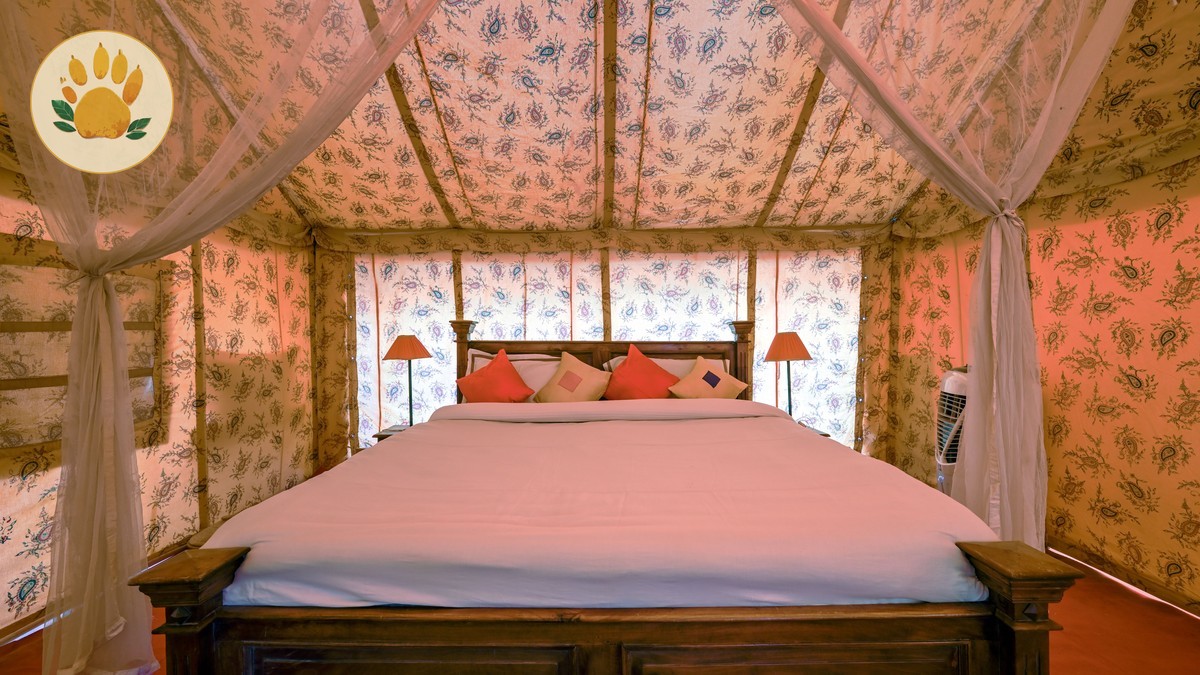
If you land at Jomo Kenyatta International Airport with one free night before or after your safari, you do not need to burn it in a city hotel. A handful of tented camps near Nairobi sit inside or against Nairobi National Park. They sit close enough that you can hear hyenas at dusk and still make your flight the next morning. This guide gives you real prices and real drive times. It also gives you an honest read on what an unfenced tent actually feels like, twenty minutes from a city of five million people.
Camps Inside Nairobi National Park Itself
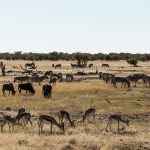
Only one property sits truly inside the park boundary: Nairobi Tented Camp, run by the Porini/Gamewatchers group. It sits in a private, non-touristed corner of the park near the Athi basin, away from the main gate traffic. Because it is inside the park, every stay includes game drives on tracks other day visitors rarely use, and lions, giraffes and buffalo do walk past the tents at night.
Getting there takes longer than the map suggests. From the main gate on Langata Road, the last stretch to camp runs on unpaved park tracks. Allow 45 minutes to an hour once you are through the gate. On top of that, add 25 to 35 minutes from JKIA or the CBD to the gate itself. Camp staff usually arrange the pickup rather than have guests self-drive. It is worth booking that in advance.
Camps on the Park’s Edge: Langata, Karen and Beyond
If Nairobi Tented Camp is full or over budget, the next tier sits just outside the park fence, close enough to still feel wild.
Emakoko is a lodge near the park’s southern boundary, close to Ongata Rongai. It has river frontage and unfenced grounds where warthogs and antelope wander through. Ololo Safari Lodge sits on the Mbagathi River, directly on the park boundary near Kitengela. Its riverside tents look straight into the park, with nothing but water between you and the animals.
Both are roughly 40 to 50 minutes from JKIA or the CBD. That is shorter than the drive to Nairobi Tented Camp, because you skip the internal park tracks. For a cheaper, more rustic option, try Whistling Thorns Camp near Kiserian. It sits about 30 km southwest of the city, on a working farm with resident zebra and giraffe rather than park wildlife, roughly 45 to 60 minutes out.
If you want the bush feel without leaving the city at all, Wildebeest Eco Camp in Langata is the honest budget choice. It is a fenced garden compound 10 to 15 minutes from the CBD. You will not hear lions here. It suits travelers who want canvas and a campfire more than genuine wildlife proximity.
Tented Camps Near Nairobi: Budget vs Luxury Pricing
Prices swing hard depending on how deep into the bush the camp sits and what is included. These are indicative ranges based on published rates as of mid-2026; always confirm current pricing and season directly with the camp.
| Camp | Location | Drive from JKIA | Fenced? | Price range (per person, per night) |
|---|---|---|---|---|
| Nairobi Tented Camp | Inside Nairobi National Park | 70-95 min | No | USD 300-450, full board + game drives |
| Emakoko | Park’s southern edge, near Ongata Rongai | 45-60 min | Partly | USD 350-500, full board + activities |
| Ololo Safari Lodge | Mbagathi River, park boundary | 40-50 min | No | USD 180-320, full board |
| Whistling Thorns Camp | Kiserian, 30 km from CBD | 45-60 min | Partly | KES 4,000-9,000 (approx USD 30-65), room only to half board |
| Wildebeest Eco Camp | Langata suburb | 10-15 min | Yes | KES 2,000-5,000 (approx USD 15-35), room only |
The luxury end includes almost everything: game drives, park fees, meals, laundry, sundowners. Budget camps charge for extras separately, and you will need your own transport or a taxi.
What’s Actually Included
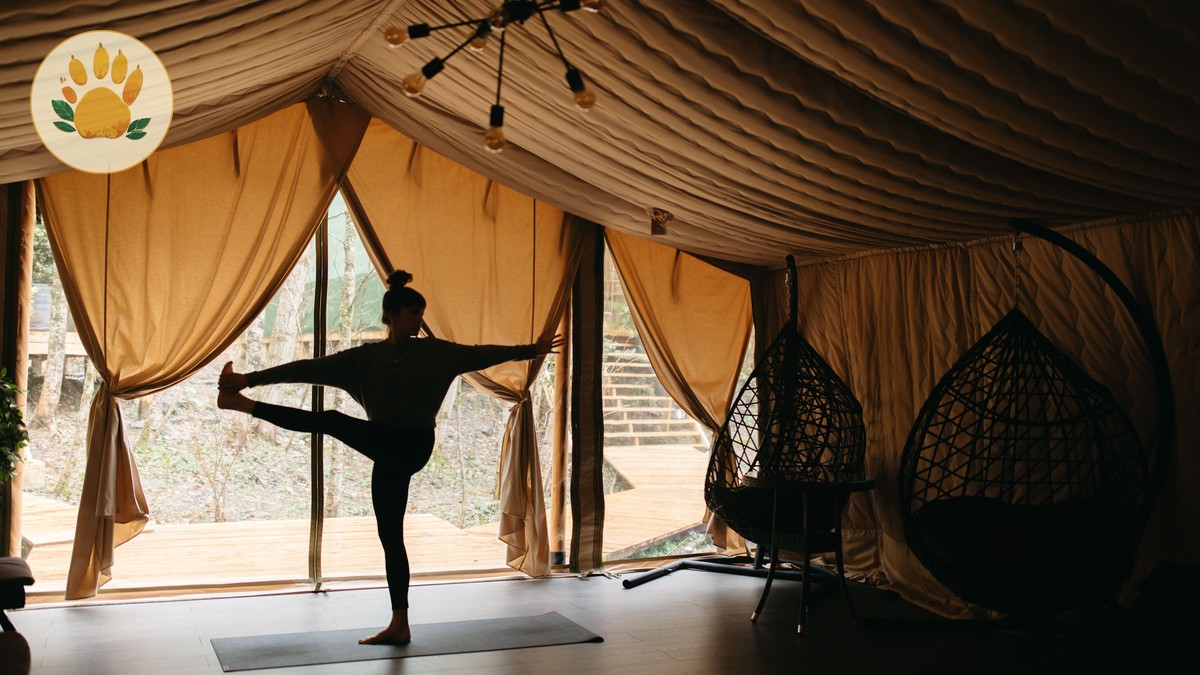
At Nairobi Tented Camp and Emakoko, the rate usually covers full board, two game drives a day, a guided bush walk, and park entry fees. That matters, because Nairobi National Park fees are not small. For a current breakdown, check current Nairobi National Park entry fees before you budget the trip. Non-resident rates run in the range of USD 50 per adult per day if paid separately.
Budget camps like Whistling Thorns and Wildebeest strip this back. You pay for the tent and maybe breakfast, then arrange drives, park entry and transport yourself. That is fine if you already have a car or driver booked for your main safari and just need a bed for one night.
Is It Safe to Sleep in an Unfenced Tent?
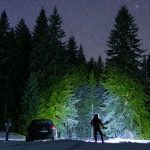
This is the question every first-timer actually wants answered, and the roundup articles skip it. At Nairobi Tented Camp and Ololo, there is no perimeter fence. Guides walk you between tents and the dining area after dark, and tents zip closed with mesh that keeps animals out while letting sound in. You will hear hyenas whoop and, some nights, lions calling from a distance. Staff are trained for this and incidents are rare, but it is a genuinely different experience from a fenced lodge. We cover the mechanics of this in detail, including is it actually safe to sleep in an unfenced safari tent, if you want the full picture before booking.
Security around the camps themselves is separate from the general safety of Nairobi after dark, a common worry for first-time visitors. If you are also wondering about how safe Nairobi is after dark, that concern applies more to the city itself than to these camps. They sit well outside the CBD and are staffed and gated at the entrance, even when tents are not fenced individually.
Are These Good for Families?
Nairobi Tented Camp and Emakoko generally accept children over six or seven, partly because of the unfenced night walks between tents. Families with younger kids do better at Wildebeest Eco Camp or Whistling Thorns, both fenced, with more relaxed rules and space to run around during the day. Always confirm the camp’s minimum age policy before booking, since it changes camp to camp and sometimes by season.
Practical Tips: Season, Packing, Booking Lead Time
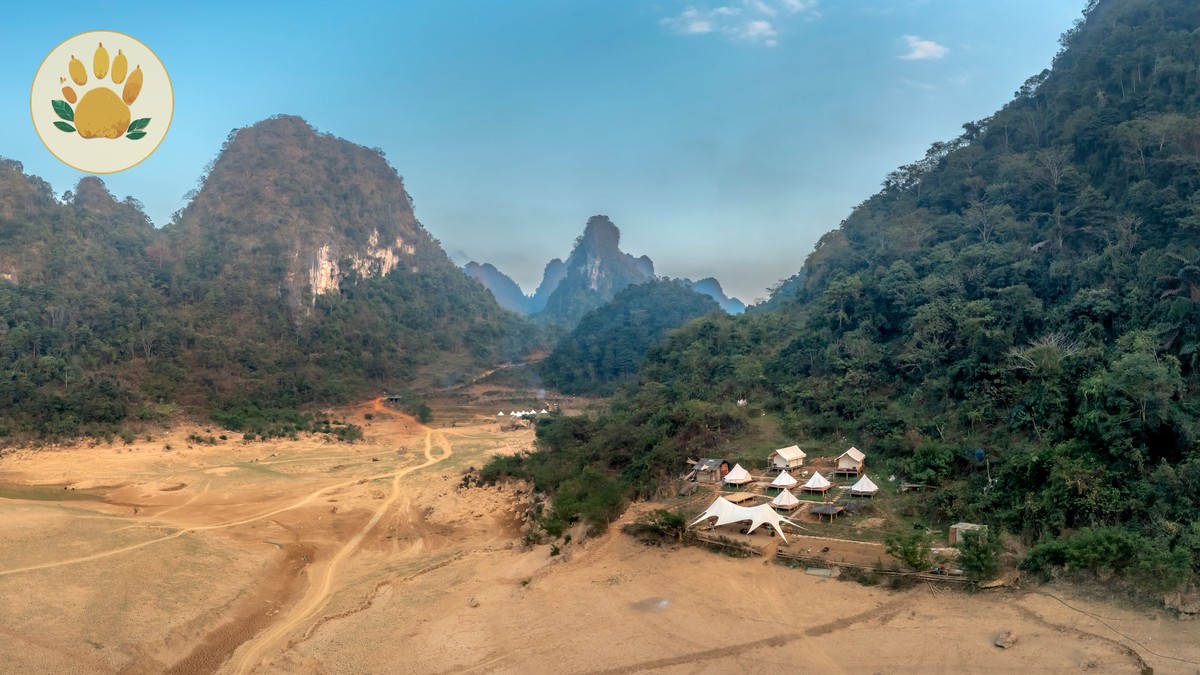
The dry seasons, from late June to October and again in January to February, give you the clearest game viewing and driest tent floors. The long rains in April and May can turn park tracks to mud, which matters most for Nairobi Tented Camp given its internal drive.
Pack layers. Nairobi sits at 1,795 meters, so nights drop to 12-15°C even in warm months. Bring a torch, closed shoes for walking between tents after dark, and a light rain jacket outside the dry season. Book Nairobi Tented Camp and Emakoko at least two to three weeks ahead in high season, since both run a small number of tents. Budget camps usually take bookings within a few days.
One night at a tented camp near Nairobi is worth it if you have a genuine gap before or after your main safari. It is a poor use of time if you are only trying to save money on a city hotel. The luxury options cost more than most Nairobi hotels once you add game drives and park fees.
The SafariPure Difference
Most lists of camps near Nairobi National Park are directories. They name six or ten properties, add a photo, and stop. We stay closer to the ground. Every price and drive time above comes from checking current rates and mapping the actual route, not copying a brochure. We also tell you plainly when a “tented camp” is really a fenced garden compound in Langata rather than a bush experience. That distinction changes what you should expect on the night. Our aim is to give first-time travelers the same clear-eyed briefing we would give a friend, not a longer list.
Plan Your Night Under Canvas
A night in an unfenced tent near Nairobi National Park is one of the best ways to start or end a Kenya safari. If you want help choosing between Nairobi Tented Camp, Emakoko or a budget option, and fitting it around your main itinerary, talk to SafariPure about planning your trip. We will match the camp to your dates, budget and comfort level.